
How to Find an Expert Diesel Engine Repair Shop
Quick Summary
To find an expert diesel engine repair shop, read reviews that describe the specific job, diagnosis and outcome rather than relying on star ratings alone. A good diesel engine repair shop should diagnose the root cause before recommending parts, not just read the fault code.
Look for reviews describing the specific job, the diagnosis and the outcome.
Be cautious of several five-star reviews that contain no detail.
Ask how the shop will confirm the root cause before replacing any parts.
A proper diagnosis reads stored fault codes, checks live data and confirms the problem.
Table of Contents
What to Look for in Diesel Engine Repair Shop Reviews
Last Updated: November 19, 2026
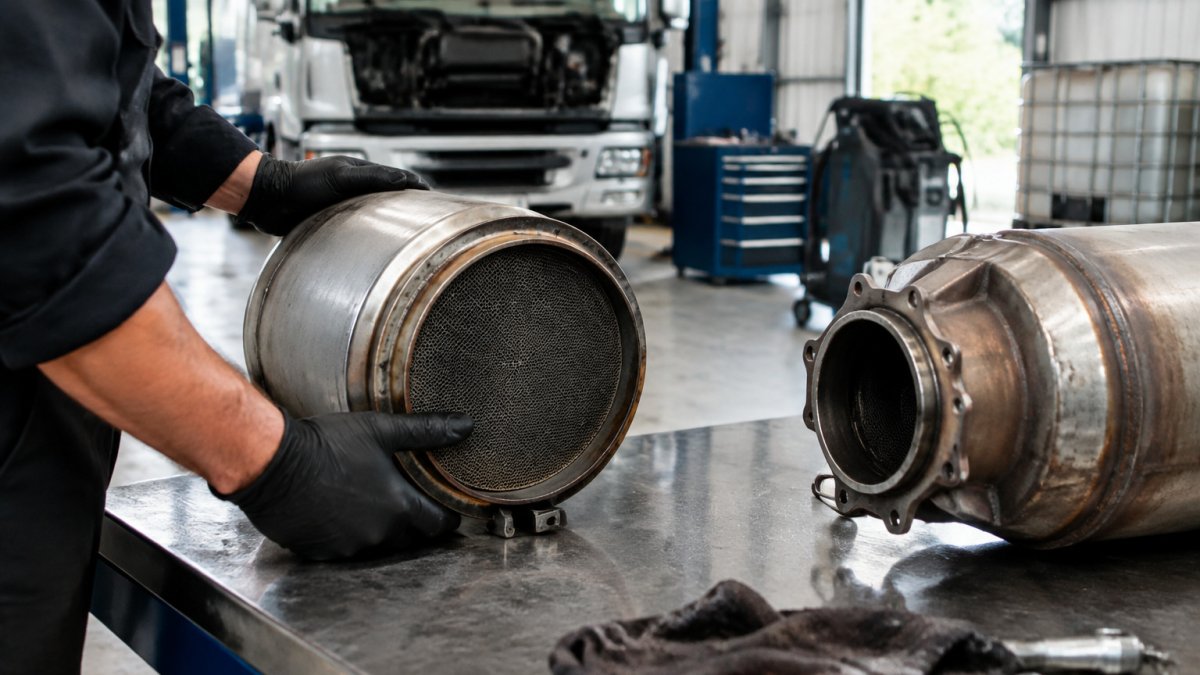
A good review of a diesel engine repair shop tells you more than star ratings do. For a closer look at whether specialty work pays off, see DPF cleaning services cost-value case. Look for reviews that describe the specific job, the diagnosis and the outcome. A review that says "fixed my DPF warning and the truck pulls normally again" is more useful than "great shop."
Read reviews for mentions of diagnostic accuracy. A shop that tells you the root cause, not just the fault code, can help you avoid paying for repeated repairs. Reviews that mention repeat visits for the same problem are worth noticing.
Check how the shop handles fleet work. If you run several units, look for reviews from other fleet managers about turnaround and downtime. For specialty services like ECU remapping or turbo rebuilds, the best reviews usually explain what changed after the work.
Watch out: a handful of five-star reviews with no detail can be a sign of thin feedback, not proof of quality. Look for a mix of specific comments and balanced experiences.
How Diesel Engine Diagnostics Should Be Done
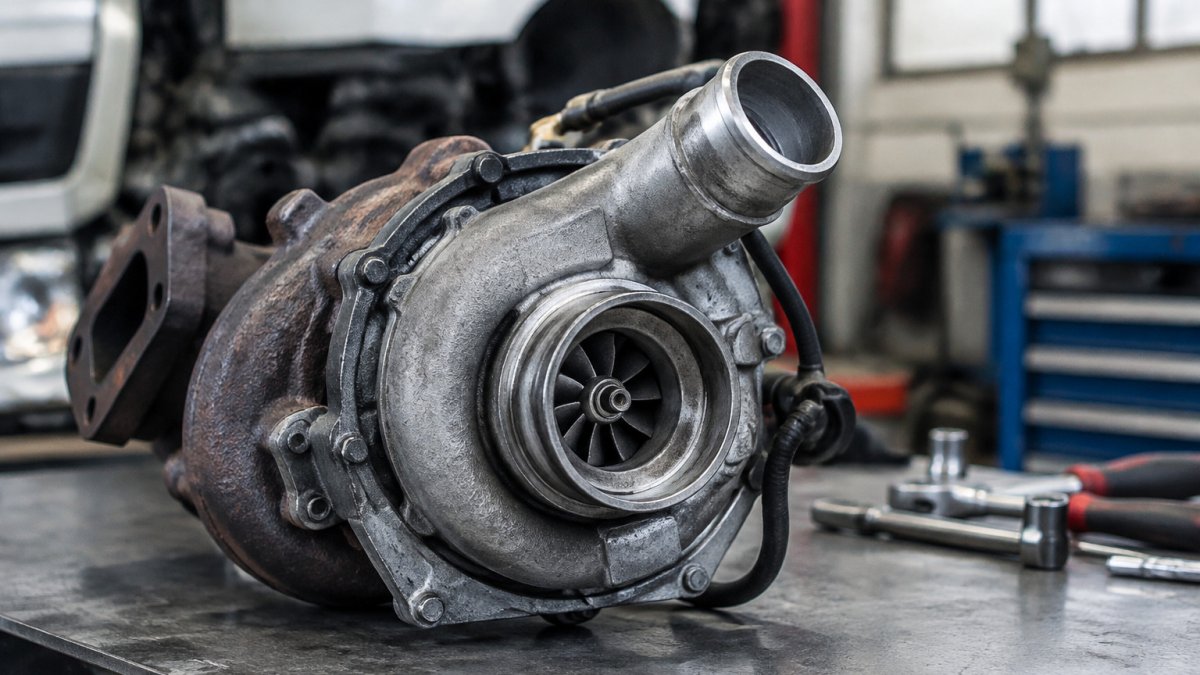
A proper diagnosis at any diesel engine repair shop starts with the symptoms, not the parts. Our guide on common failure symptoms of a diesel turbocharger lists the warning signs a good diagnosis should catch. A good shop should read stored fault codes, check live data, and confirm the problem before recommending repairs.

DPF and turbo complaints can sometimes trace back to a shared cause, such as a failing sensor or an exhaust leak. Ask the shop how it will confirm the root cause and what it will test before any parts are replaced.
A good diagnosis follows a clear sequence, and the article points to a few checks you can ask a shop about.
Check | What it tells you | Why it matters |
Symptoms | What the engine is actually doing | Starts the diagnosis before parts are picked |
Stored fault codes | Faults the engine has logged | Read as a starting point, not the answer |
Live data | How the engine behaves in operation | Confirms the problem before repairs are recommended |
Root-cause test | Why the fault happened | Avoids replacing parts that are not the cause |
Booking Your First Diesel Engine Repair or Fleet Service With Kg Performance
Start by describing your engine, mileage and symptoms so the diesel engine repair shop team can plan your visit. Request an appointment with Kg Performance to schedule your first repair or fleet service. You can also review the available tunes and services before you book, so you know what each option includes.
Frequently Asked Questions
How do I choose an expert diesel engine repair shop?
Start with shops that name their specialties, such as ECU remapping, DPF and SCR servicing, and turbocharger rebuilds, and that explain how they diagnose problems before they recommend work. Ask whether technicians have documented diesel training and how long they have worked on your type of engine. Check reviews for comments on diagnosis accuracy and communication, not just speed. Request a written estimate that separates parts and labor, and confirm the warranty terms before you approve any repair. Pricing depends on the engine, the parts needed and the scope of work, so contact Kg Performance directly for a current quote.
How long does a diesel engine diagnostic take?
Most diagnostics take a few hours to a full day, depending on how many systems are involved and whether the problem is intermittent. A straightforward fault code check is usually quicker, while issues with the fuel system, turbocharger, EGR or DPF often require road testing and more detailed inspection. A good shop will explain what it is testing and what it has found before starting repairs. Contact Kg Performance through the website to ask about the expected timeline for your specific vehicle.
What is the worst thing for a diesel engine?
Prolonged idling, low-quality fuel, ignored warning lights and skipped fluid and filter service are among the most common causes of premature diesel wear. Carbon buildup in the DPF and intake system can also reduce efficiency over time. Regular inspection and preventative maintenance catch these issues early, which helps extend engine life and keep fleet vehicles on the road.
Comments